0 Comments
A recent column published by The Kathmandu Post on June 10, 2025, sheds light on a troubling reality in Nepal’s education system—the glaring absence of caste discrimination in school textbooks. In the piece titled “A Homework for the Education Minister”, writer Ananta Raut questions why the curriculum continues to ignore one of Nepal’s most deeply rooted social issues.
Despite decades of activism and a constitution that criminalizes caste-based discrimination, students in Nepal still grow up without learning about the caste system and its long-lasting effects. This silence in the classroom, according to the article, is not accidental—it is a deliberate omission that prevents young minds from understanding the structural inequality that continues to marginalize millions.
The writer argues that by not addressing caste in textbooks, schools are failing to educate students about real-life challenges faced by Dalits and other marginalized communities. Instead of empowering students with knowledge and empathy, the curriculum often sanitizes history and social realities, teaching an incomplete version of Nepal’s story. “What we don’t teach in schools,” the author warns, “we choose to ignore in society.”
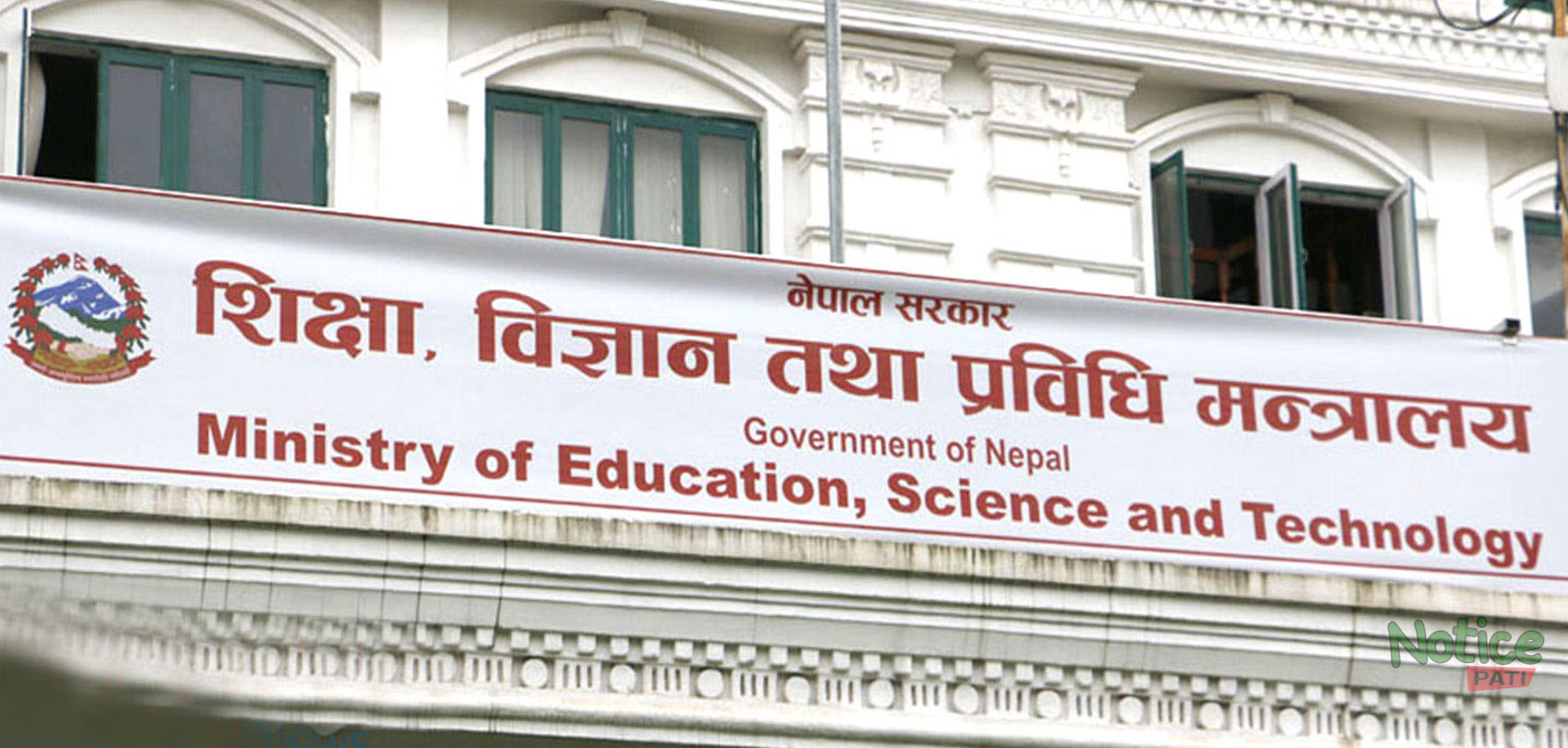
The article further calls out policymakers—particularly Education Minister Raghuji Pant—urging them to treat this issue with the urgency it deserves. While much attention is given to the long-delayed School Education Bill 2080, there is little sign that curriculum reform is being taken seriously. This is especially concerning as Nepal prepares to modernize its education system. Ignoring caste from the national curriculum perpetuates ignorance, normalizes discrimination, and delays justice.
Instead, the writer recommends incorporating stories, discussions, and real-world data about caste issues into the curriculum, and providing teachers with proper training to handle these topics with sensitivity. Teaching about caste is not about provoking conflict—it’s about teaching responsibility, equality, and awareness. Schools should be the first line of defense against prejudice, not a place where it is quietly ignored.
As Nepal moves toward educational reform, this powerful reminder serves as a challenge to the Ministry of Education: curriculum is not just about exams and grades—it’s about truth, justice, and social transformation. If we continue to leave caste out of our classrooms, we risk raising another generation unaware of the injustices around them.